





Blog
Ground Screw Foundations for Solar Projects: 6 Checks Before Procurement
Date: 2026-07-07
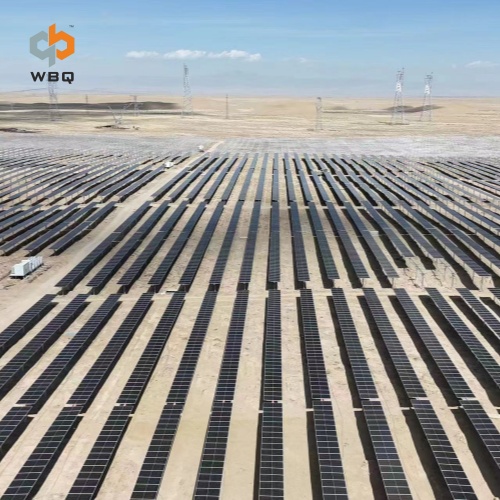
Ground screw foundations play an important role in ground-mounted solar projects. They support the mounting structure, affect installation efficiency, and help determine how smoothly the early construction stage moves forward.
For procurement teams, choosing ground screws should not be limited to size, unit price, or delivery time. A suitable foundation solution should match the site conditions, structural requirements, corrosion environment, racking connection details, installation method, and project schedule.
As solar projects are built in more diverse environments, from utility-scale ground-mounted plants to mountain sites, agricultural PV, and fishery PV applications, foundation procurement needs to be based on real project conditions. Before confirming an order, the following six checks are worth reviewing.
1. Site Conditions and Soil Profile
Ground screw selection should start with a clear understanding of the project site.
Different solar applications may require different foundation considerations. A standard ground-mounted solar plant usually focuses on installation speed and foundation stability. A mountain project may involve slope, access roads, limited working space, and equipment mobility. Agricultural PV and fishery PV projects may also need to consider moisture, uneven ground, and long-term site exposure.
Soil conditions are equally important. Sand, clay, gravel, saline-alkali soil, frozen ground, shallow hard layers, or mixed soil profiles can all affect screw length, shaft diameter, helix design, and installation depth.
Before procurement, it is useful to confirm soil type, groundwater conditions, corrosion risk, terrain, underground obstacles, and equipment access. These details provide the basis for selecting a ground screw specification that is closer to the actual project site.
2. Load Requirements and Test Data
Ground screws in solar projects must work with the racking system and withstand loads from modules, wind, snow, and local environmental conditions.
For large solar farms, high-wind areas, snow regions, or uneven terrain, foundation selection should be supported by clear design data. Key requirements may include uplift resistance, compression capacity, and lateral load performance.
When soil conditions are uncertain or the project has strict acceptance requirements, pull-out testing, static load testing, or trial installation can help verify whether the selected ground screw is suitable for the site. Early test data also helps confirm embedment depth, screw layout, and foundation details before large-scale installation begins.
3. Connection with the Solar Mounting System
A ground screw foundation must match the upper solar mounting structure. Even small differences in connection details may cause installation issues during mass assembly.
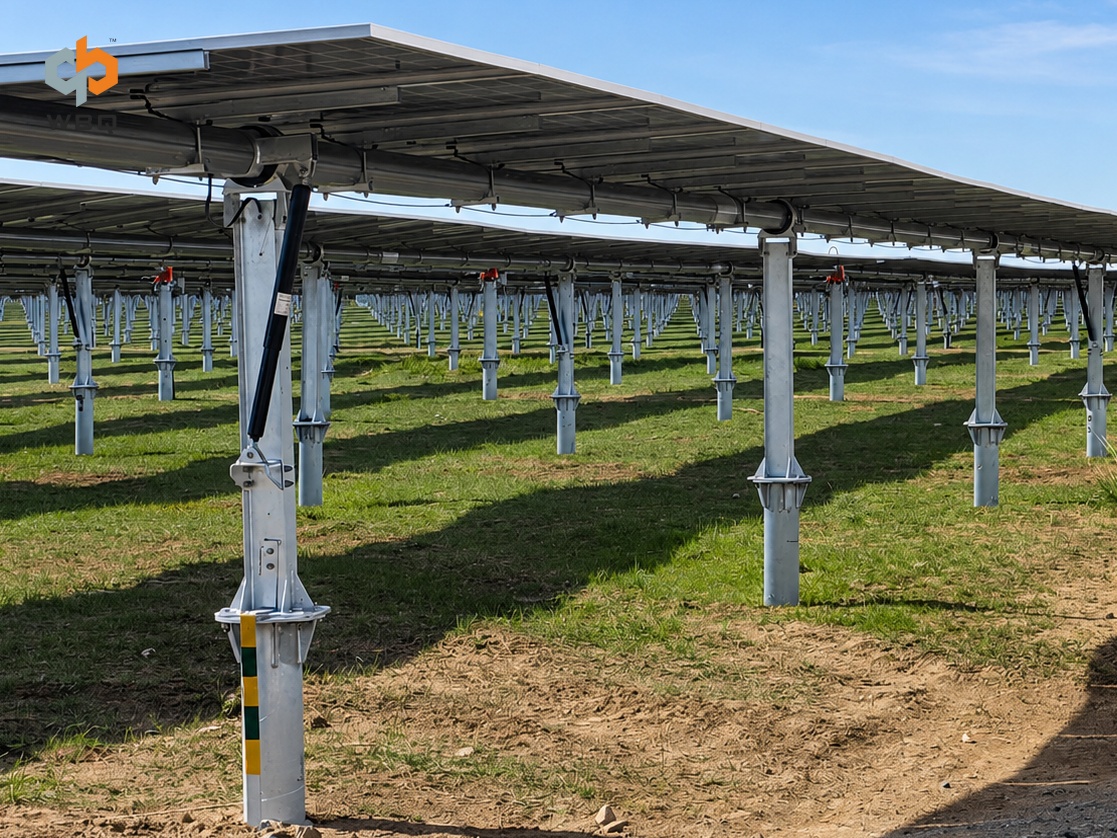
Before production, the project team should check the top flange size, hole positions, connection method, exposed height, installation angle, and compatibility with posts or racking components. This is especially important when the ground screws and mounting system are designed or supplied separately.
If drawings are not aligned in advance, the site may face mismatched holes, connector adjustments, inconsistent installation height, or additional processing during construction. For large projects, these issues can affect installation speed and labor planning.
A practical approach is to review ground screw drawings and racking drawings together before mass production. For projects with tighter tolerance requirements, sample confirmation or a small trial installation can also be helpful.
4. Corrosion Protection for the Project Environment
Ground screw foundations remain in direct contact with soil for many years, so corrosion protection should be selected according to the project environment.
An inland site, coastal project, saline-alkali area, high-humidity region, or site with more aggressive soil conditions may require different levels of surface protection. During procurement, buyers should look beyond whether the product is hot-dip galvanized. Coating thickness, surface finish, weld area treatment, inspection records, and batch consistency should also be reviewed.
For export projects, documentation for material grades, galvanizing standards, packing methods, and shipment protection may also be required. Confirming these items before production helps avoid extra communication during delivery or project acceptance.
A suitable corrosion protection plan supports long-term use and helps reduce unnecessary maintenance risks over the project lifecycle.
5. Installation Equipment and Site Execution
One advantage of ground screw foundations is efficient installation. However, this advantage depends on the match between the screw specification, installation equipment, and site conditions.
Different shaft diameters, lengths, and helix structures may require different torque capacity, clamps, machine configurations, and operating space. Mountain sites, sloped ground, narrow access roads, or uneven terrain may also place higher requirements on equipment mobility.
If equipment compatibility is not considered during procurement, the project may face slower installation, poor machine adaptation, unstable verticality control, or changes in construction sequencing.
For this reason, procurement teams should confirm the planned installation equipment together with the ground screw specification. This helps improve site coordination and supports a more efficient foundation installation process.
6. Batch Quality and Delivery Reliability
Solar projects usually require ground screws in large quantities. A qualified sample is important, but stable batch quality is what supports project execution.
Before placing an order, buyers should review key production and inspection points, including pipe dimensions, wall thickness, welding quality, flange accuracy, hole position, helix forming, galvanizing quality, packing method, and batch identification.
For overseas projects, consistency is especially important because transportation time is longer and replacement costs are higher. If product differences are found after arrival, the project may face rework, schedule pressure, or additional logistics costs.
Delivery planning should also be aligned with the construction schedule. Ground screws are normally required before mounting system installation begins. Production lead time, inspection standards, packing plans, shipment batches, and transport arrangements should be confirmed early so that foundation delivery supports the overall project timeline.
Conclusion: A Better Foundation Choice Starts with Project Details
Ground screw procurement should not stop at comparing standard sizes or unit prices. A more reliable decision comes from understanding the site, checking load requirements, matching the racking connection, confirming corrosion protection, reviewing installation equipment, and evaluating batch delivery capability.
For solar projects focused on construction efficiency and delivery certainty, these early checks can help reduce on-site changes and keep the foundation work better aligned with the overall project plan.
WBQ supplies ground screw foundations, solar mounting systems, pile driving equipment, and fencing systems for different solar project scenarios. With a multi-base manufacturing structure, project supply experience, and quality control processes, WBQ supports customers in selecting practical foundation products according to site conditions, project requirements, and delivery schedules.
As solar projects continue to move into more varied environments, WBQ will keep focusing on stable product supply, engineering coordination, and project-oriented foundation solutions for ground-mounted solar applications.