





Blog
Why Do Hot-Dip Galvanized Ground Screws Change Color Over Time?
Date: 2026-07-14
A newly galvanized ground screw does not always have a bright, uniform silver finish. Some products leave the galvanizing line with a reflective surface, while others are already matte gray. Different shades may also appear across the tube, flange, helix and welded areas.
The finish can continue to change during sea freight, warehouse storage or outdoor exposure. By the time the products reach the project site, the surface may look duller or darker than it did after production.
This often becomes a point of concern during incoming inspection, particularly when the delivered products look different from an approved sample or an earlier photograph. However, surface brightness alone is not a reliable measure of galvanizing quality. Coating continuity, measured thickness and the condition of the underlying steel provide a much better basis for assessment.
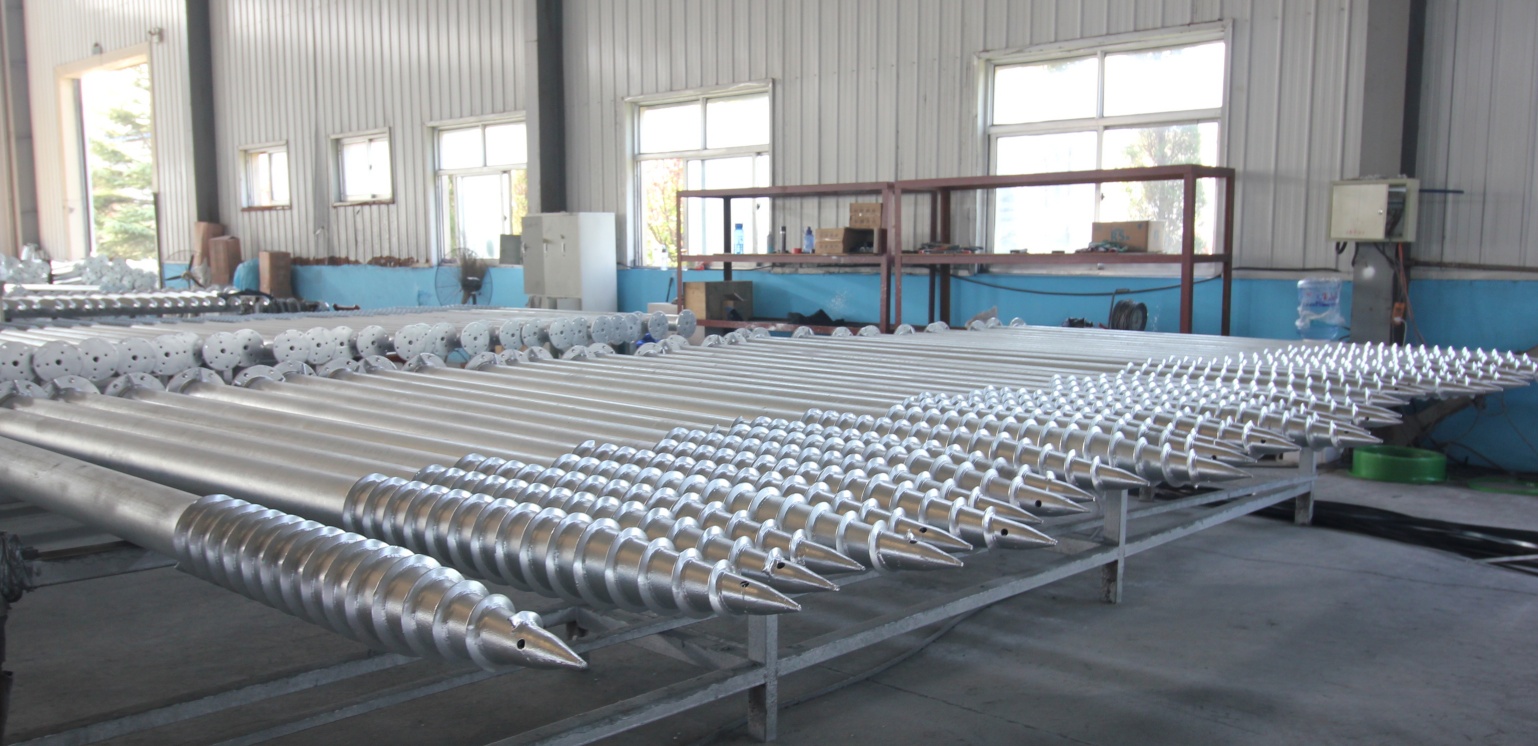
Why a Galvanized Surface Becomes Gray
Hot-dip galvanizing forms a zinc-based protective coating on the steel. Once the product is exposed to air and moisture, the surface begins to weather naturally and gradually develops a more stable protective film.
During this process, the initial metallic shine usually becomes less pronounced. The surface may change from bright silver to a more uniform matte gray without any loss of coating continuity.
The initial appearance also depends partly on how the steel reacts during galvanizing. Steel composition, component thickness, fabrication and cooling conditions can all affect the final shade and texture. For this reason, two properly galvanized ground screws may not look exactly the same.
A dry, continuous matte-gray surface is generally part of the normal appearance of hot-dip galvanized steel. It should be assessed separately from powdery deposits, peeling, exposed steel or red rust.
Normal Weathering or Wet Storage Stain?
One of the most important checks is whether the surface has weathered normally or developed wet storage stain.
Normal weathering generally produces a dry, relatively even gray finish. The coating remains continuous, with no loose deposits and no visible base steel.
Wet storage stain, sometimes referred to as white rust, develops when moisture is trapped against newly galvanized surfaces without enough air circulation. It is more likely to occur when ground screws are bundled tightly while damp, exposed to rain during transport, affected by condensation inside packaging or stored in a humid area with limited ventilation.
Light wet storage stain often appears as a thin white or pale-gray deposit. In mild cases, the zinc coating underneath may still be serviceable. The products should be separated, allowed to dry and then inspected after loose surface material has been removed carefully.
Thicker deposits require closer attention. Rough corrosion products, extensive darkening, visible coating loss, flaking or exposed steel may indicate that a significant amount of zinc has been consumed. Representative coating-thickness measurements should then be taken and compared with the order specification.
Red rust is a more serious indication because it suggests that the underlying steel is no longer fully protected in the affected area.
Why Products from the Same Batch May Look Different
A ground screw is not a single, uniform piece of steel. The tube, flange, helix and welded connections differ in thickness, geometry and fabrication history. These areas can react and cool differently during the galvanizing process.
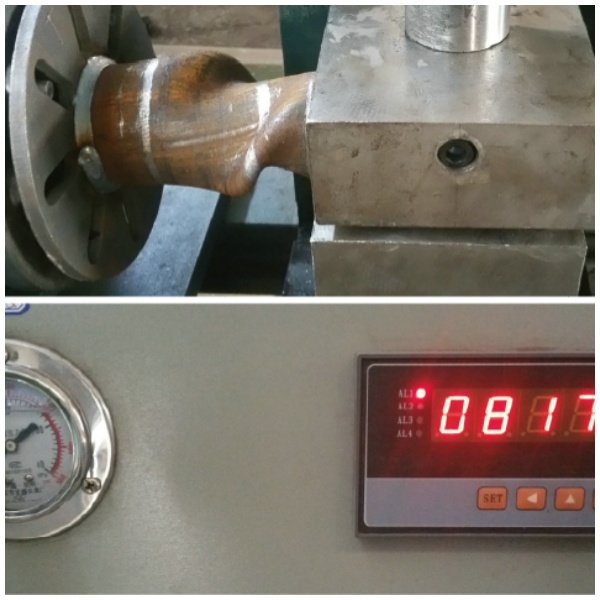
Welded zones may also develop a different shade from the surrounding tube or plate. A visible color change around a weld is not, by itself, evidence of a defect. The relevant question is whether the zinc coating remains continuous and whether the specified coating thickness has been achieved.
Transport and storage can add further variation. Products located on the outside of a bundle may receive more airflow and environmental exposure than those positioned inside. Condensation, packaging contact, dust, soil and normal handling marks may also alter the appearance of individual areas.
These surface differences should be separated from genuine galvanizing defects such as bare spots, coating detachment or exposed steel.
What Should Buyers Check During Delivery Inspection?
For EPC contractors, distributors and installation teams, incoming inspection should focus on the condition of the protective coating rather than whether every component has the same level of shine.
1. Coating continuity
Check the tube, flange, helix, welds and edges for visible bare areas, missed sections or exposed base steel. Particular attention should be paid to fabricated and welded areas.
2. Signs of coating damage or corrosion
Look for peeling, flaking, heavy powdery deposits, rough corrosion products, visible zinc loss and red rust.
A uniform matte-gray finish should not be grouped together with surfaces showing loose deposits or physical coating damage.
3. Coating thickness
Where appearance raises concerns, use a calibrated coating-thickness gauge and take readings at several representative points.
Testing only one convenient location may not reflect the condition of the complete component. The measurement plan should cover the areas defined in the purchase specification or inspection procedure.
4. Order and batch documentation
Confirm that the delivered products match the agreed steel grade, dimensions, wall thickness, flange and helix configuration, surface treatment and batch records.
Transport duration, packaging condition and storage history may also help explain why the appearance changed between production and delivery.
WBQ Ground Screw Materials and Galvanizing Requirements
WBQ ground screws commonly use Q235B or Q355B structural steel. Under the current WBQ technical requirements, the average hot-dip galvanized coating thickness is at least 80 μm, with galvanizing controlled in accordance with DIN EN ISO 1461.
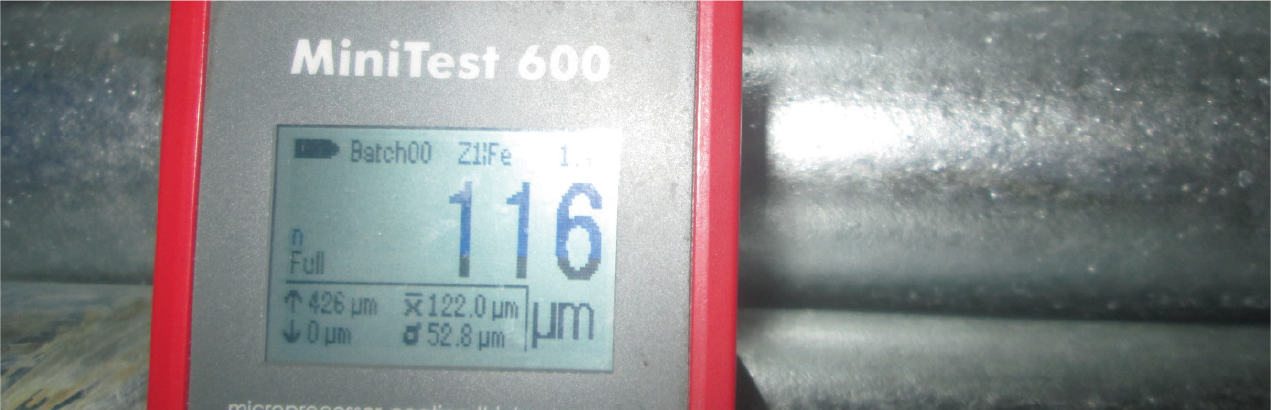
The 80 μm value is a WBQ product requirement. It should not be interpreted as a single coating-thickness requirement applied by DIN EN ISO 1461 to every steel component, regardless of material thickness or product type.
For each order, the approved drawing, purchase specification and inspection documentation remain the governing references.
The installation environment should also be considered when defining corrosion protection. Coastal sites, high-humidity locations, saline soils and other corrosive conditions may require a project-specific review rather than a decision based only on standard surface appearance.
What Information Is Needed for a Surface Review?
A close-up photograph can help identify an issue, but it rarely provides enough information on its own.
For a more useful technical review, provide the product batch or delivery reference, arrival date, overall photographs, close-up images, transport and storage duration, packaging condition and any available coating-thickness readings.
It is also important to indicate whether the surface is dry or powdery and whether there is any peeling, exposed steel or red rust.
Large-scale grinding or aggressive mechanical cleaning should be avoided before the condition has been assessed. Such treatment can remove an otherwise intact zinc coating and make the original issue more difficult to evaluate.
Hot-dip galvanized ground screws can lose their initial shine and develop a matte-gray finish during normal weathering. During inspection, the key points are the continuity and thickness of the zinc coating and the condition of the steel beneath it—not surface brightness alone.
Where the cause of a surface change remains unclear, WBQ can review the available photographs, batch details, storage conditions and project requirements to support a more accurate assessment.