





Blog
Solar Mounting Production Starts with the Right Project Inputs
Date: 2026-08-18
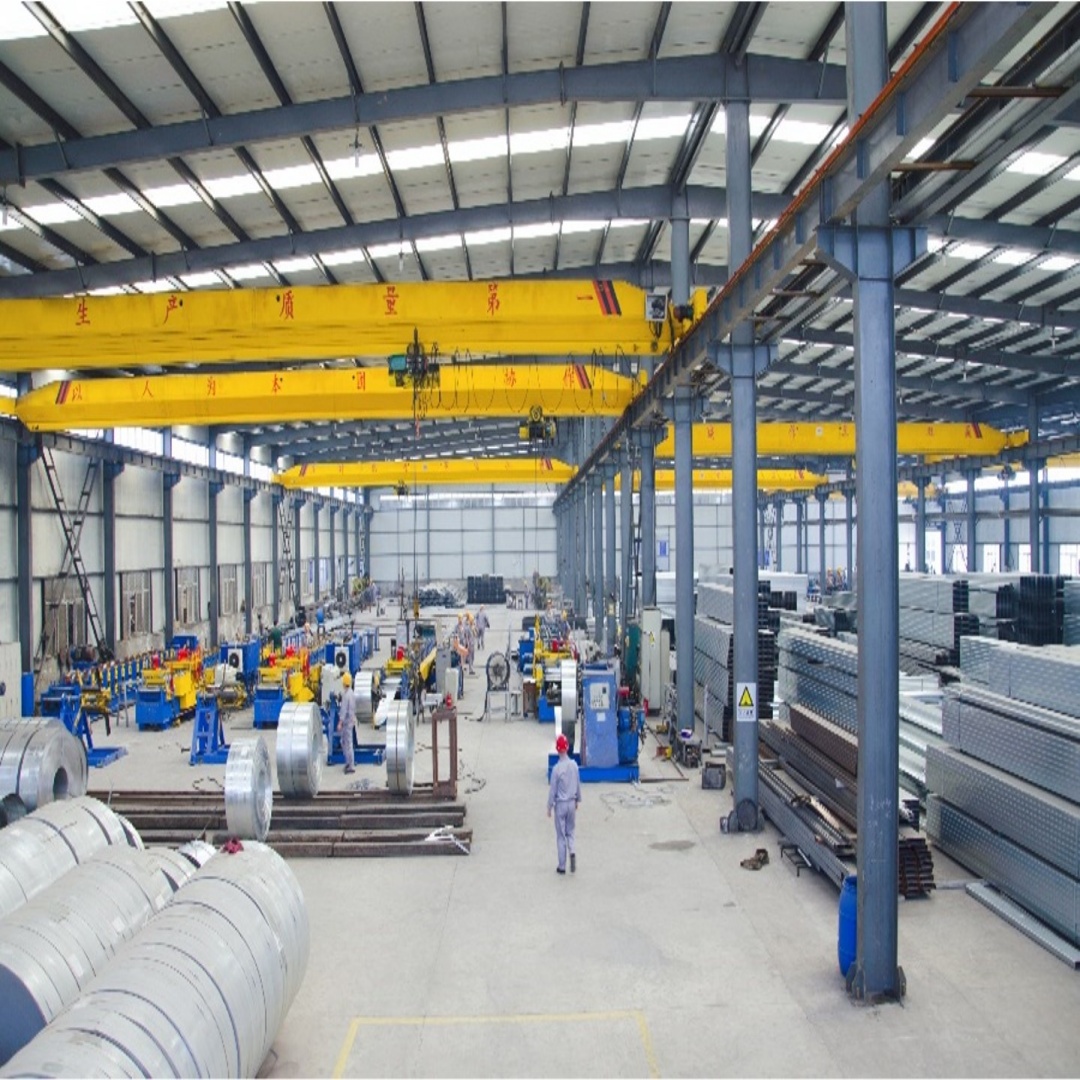 Solar mounting production at WBQ's Tianjin manufacturing base
A solar mounting shipment can arrive on schedule and still be unavailable for installation. The main structural members may be on site, but the connection plates or fasteners assigned to that work area may be included in a later shipment. Components may be correctly fabricated yet difficult to identify because the package labels do not match the installation zones.
These issues become visible during construction, but they often begin earlier in the project. Production drawings, bills of materials, component identification, inspection records, and packing plans all affect how efficiently the mounting system can be assembled in the field.
WBQ supplies solar mounting structures, ground screws, and related installation equipment. Within the confirmed project scope, this allows the team to review the foundation interface, mounting fabrication requirements, and delivery plan as connected parts of the same project rather than treating each supply item separately.
The objective is straightforward: the components delivered to each work area should match the approved design and support the planned installation sequence.
Confirming the Production Basis
Solar mounting structures must be coordinated with the module layout, foundation system, and site conditions. Projects using a similar structural arrangement can still require different component dimensions, connection details, materials, corrosion protection systems, or delivery sequences.
Before production is released, the project team should confirm the module specifications and layout, mounting configuration, foundation type, interface dimensions, material requirements, and required delivery dates. Projects divided into construction zones also need a clear relationship between the structural configuration and the installation area.
At WBQ, the Tianjin solar mounting manufacturing base organizes production from the drawings and technical documents confirmed for the project. When ground screws are included in the supply scope, WBQ can review the connection between the ground screw foundation and the mounting structure. For concrete foundations, precast piles, or other foundation types, the mounting interface is established from the approved foundation drawings and details.
Information agreed during quotation or preliminary design must eventually appear in the production drawings and BOM. Any unresolved dimension, connection, or material requirement should be clarified before batch production begins.
Keeping Drawings and Production Records Aligned
Solar mounting projects often go through several design revisions. A change may affect more than the drawing itself. It can also alter the BOM, material requirements, component quantities, inspection criteria, part markings, or packing arrangement.
A typical WBQ project moves from technical document review to scope confirmation, BOM preparation, production release, first-piece inspection, batch fabrication, final inspection, and packing. Before shipment, the packed components are checked against the applicable labels, packing lists, and delivery documents.
All departments involved in the project need to work from the same revision. If engineering uses the latest drawing while production or packing follows an earlier BOM, each operation may appear correct on its own even though the completed shipment does not form a matching system.
Revision control is especially relevant when a project includes several mounting configurations or delivery phases. Updated information must reach the production and logistics teams before the affected components are fabricated or packed.
From Approved Drawings to Fabricated Components
Depending on the mounting design, the WBQ Tianjin manufacturing base can carry out material preparation, cutting to length, punching or drilling, cold forming, welding, and related fabrication. Components then proceed through the specified surface treatment, inspection, identification, and packing operations.
The production route depends on the component. Cold-formed sections may require material verification, roll forming, cutting, and hole processing. Parts with connection plates or welded assemblies require fit-up and welding in accordance with the drawings.
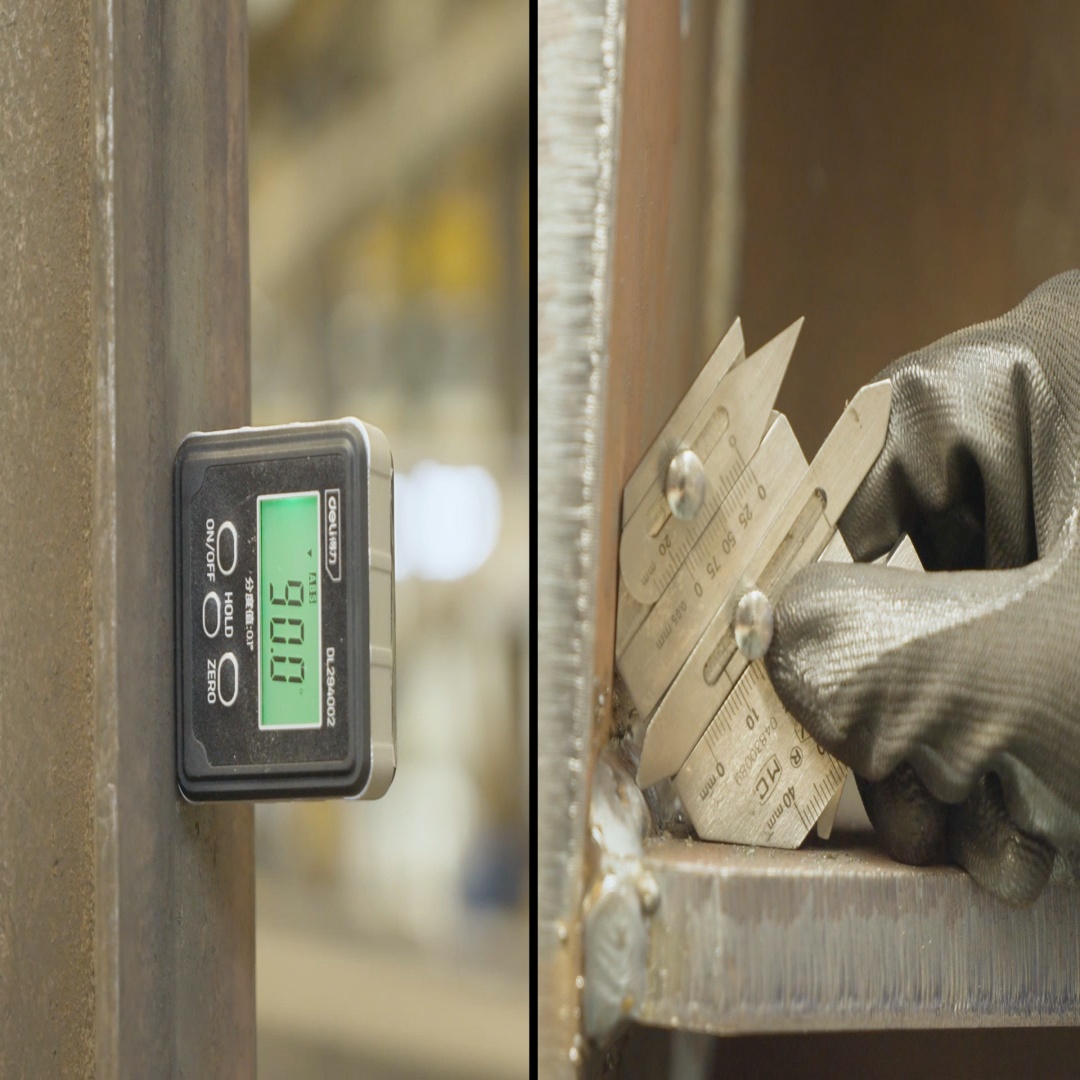 Fabrication and dimensional inspection of solar mounting components
Inspection must consider how the parts connect, not simply the dimensions of an individual component. Posts, beams, purlins, braces, connection plates, and fasteners must work together during field assembly. Production checks therefore cover areas such as:
• Hole spacing and hole patterns between connecting parts;
• Section geometry and critical dimensions after forming;
• Component orientation and connection locations;
• Welded component dimensions and appearance;
• Consistency among part markings, drawings, and the BOM.
First-piece inspection confirms that the initial production output matches the current manufacturing documents before the full batch proceeds. For mounting systems with several configurations or more complex connections, a partial trial assembly may be completed when specified by the project documents.
A component can meet its individual dimensional requirements and still cause problems if its connection with the adjoining parts has not been properly coordinated.
Defining Materials and Corrosion Protection
Material and corrosion protection requirements must be specific enough for both production and inspection. A general statement such as “hot-dip galvanized” may not define the applicable standard, required coating, inspection method, or treatment of different component types.
WBQ can organize production using Q235B, Q355B, and other materials identified in the confirmed project documents. Incoming material specifications and supporting quality records are checked against the project requirements. After fabrication, components move through the specified surface treatment and inspection process.
A mounting system may contain cold-formed sections, fabricated galvanized parts, welded assemblies, and fasteners. These items may not use the same manufacturing or coating route. The material grade, surface treatment, coating requirements, and inspection criteria should therefore be defined in the contract, drawings, and technical specifications for the project.
Confirming these requirements before production reduces the risk of later changes affecting cost, schedule, or inspection documentation.
Packing and Shipping by Installation Batch
Packing decisions directly affect site handling. When the construction sequence and delivery zones are known, components can be sorted and packed so that part markings, package labels, packing lists, and installation areas remain aligned.
WBQ can arrange component identification and packing according to the confirmed delivery plan. Visually similar parts used in different locations require clear markings. Fasteners and smaller connection components can be grouped by specification, quantity, or installation area as required by the project.
The packing method also needs to account for component length, weight, surface condition, transportation method, and the handling equipment available at the site. These considerations help limit movement, impact damage, deformation, and coating damage during transportation.
Before a partial shipment is released, the packed contents should be reviewed against the installation zone for that batch. The review covers the structural components, connection parts, fasteners, package numbers, packing lists, required quality documents, and any revised or replacement items.
Shipment readiness should be judged by whether the planned work area can proceed with the delivered components. The quantity loaded is only one part of that decision.
WBQ's Scope in Project Delivery
WBQ coordinates solar mounting manufacturing and delivery according to the agreed supply scope and project documents. This work may include reviewing the foundation connection, managing drawings and BOMs, confirming manufacturing requirements, fabricating mounting components, completing specified inspections, and organizing identification, packing, and phased shipment.
All structural, material, corrosion protection, and inspection requirements remain subject to the contract and confirmed technical documents. Resolving the main interfaces before production and shipment helps reduce field sorting, missing-component checks, and avoidable installation delays.
Preparing a Solar Mounting Project Inquiry
The following information helps WBQ review a solar mounting inquiry:
• Project country or location;
• Project capacity and required delivery schedule;
• Module specifications and layout;
• Mounting drawings or preliminary structural concept;
• Foundation type and available site information;
• Material and corrosion protection requirements;
• Construction zones and planned delivery batches;
• Technical interfaces requiring supplier review.
If the design is still being developed, the available drawings and current site information can be submitted first. WBQ can identify the items that require further clarification before confirming the supply scope, manufacturing requirements, and delivery arrangement.
Submit the available module layout, foundation details, mounting drawings, and delivery schedule through the inquiry form at www.wangbq.com.