





Blog
Pre-Shipment Inspection for Solar Mounting Components
Date: 2026-09-15

A solar mounting order may leave the factory with accurately manufactured components and still create problems at the destination. A missing accessory box, an outdated packing list, or a package label that cannot be matched to an installation zone can slow receiving and force site teams to sort material again. For project buyers, the final question is therefore not only whether the solar mounting system components meet their approved requirements, but whether the complete order is ready to be received, identified, and used as planned.
A structured solar mounting pre-shipment inspection connects three different controls. Product conformity verifies the physical components against approved requirements. Delivery completeness confirms that the required components, fasteners, accessories, and documents are included in the correct quantities. Loading verification checks that the identified packages scheduled for a shipment are the packages actually loaded. Keeping these controls distinct makes the release decision clearer and gives procurement, logistics, and construction teams more useful records.
Start With the Final Approved Documents
The inspection basis should be the current approved project documentation, not an earlier quotation, preliminary drawing, or superseded bill of materials. Depending on the agreed scope, the document set may include final drawings, the bill of materials, the purchase order, customer specifications, approved change records, and confirmed packaging or shipping requirements.
Production, inspection, packing, and shipping teams need to work from the same valid revision. If an approved change affects a member length, hole arrangement, quantity, component code, or shipment sequence, the related labels, packing lists, and inspection records should be updated as well. Revision alignment reduces the risk that a correctly made component is checked or shipped against outdated information.
Check Components Against Approved Requirements
Physical inspection establishes whether the components presented for release correspond to the approved requirements. Relevant checks can include material grade or specification, component type and profile, length and other key dimensions, wall thickness, hole position and spacing, connection features, visible deformation, burrs, general workmanship, weld condition where applicable, and the specified surface finish such as hot-dip galvanizing, zinc-aluminum-magnesium coating, or another approved treatment.
The actual inspection items, tolerances, coating requirements, test methods, and acceptance criteria must follow the contract, approved drawings, customer specifications, and applicable standards for the project. They should not be replaced by a generic checklist. The purpose of the pre-shipment stage is to confirm and document the agreed requirements before release, rather than to introduce new technical criteria after production.
Verify Quantities and System Completeness
A quantity check should cover more than the main posts, rails, beams, or purlins. It should also account for connection parts, bolts, nuts, washers, other fasteners, project-specific components, contract spares, and any agreed add-ons. Quantities should be verified by component type, specification, and length where these distinctions affect installation, and the physical count should agree with the relevant packing list.
Correct totals for the largest members do not necessarily mean that the mounting system is complete for installation. For example, a shipment may contain the planned number of rails but lack part of the matching clamps or bolts for that batch. The rail count is correct, yet the receiving team cannot issue a complete installation set. Reviewing the order as a system helps identify this type of gap before the material travels to site.
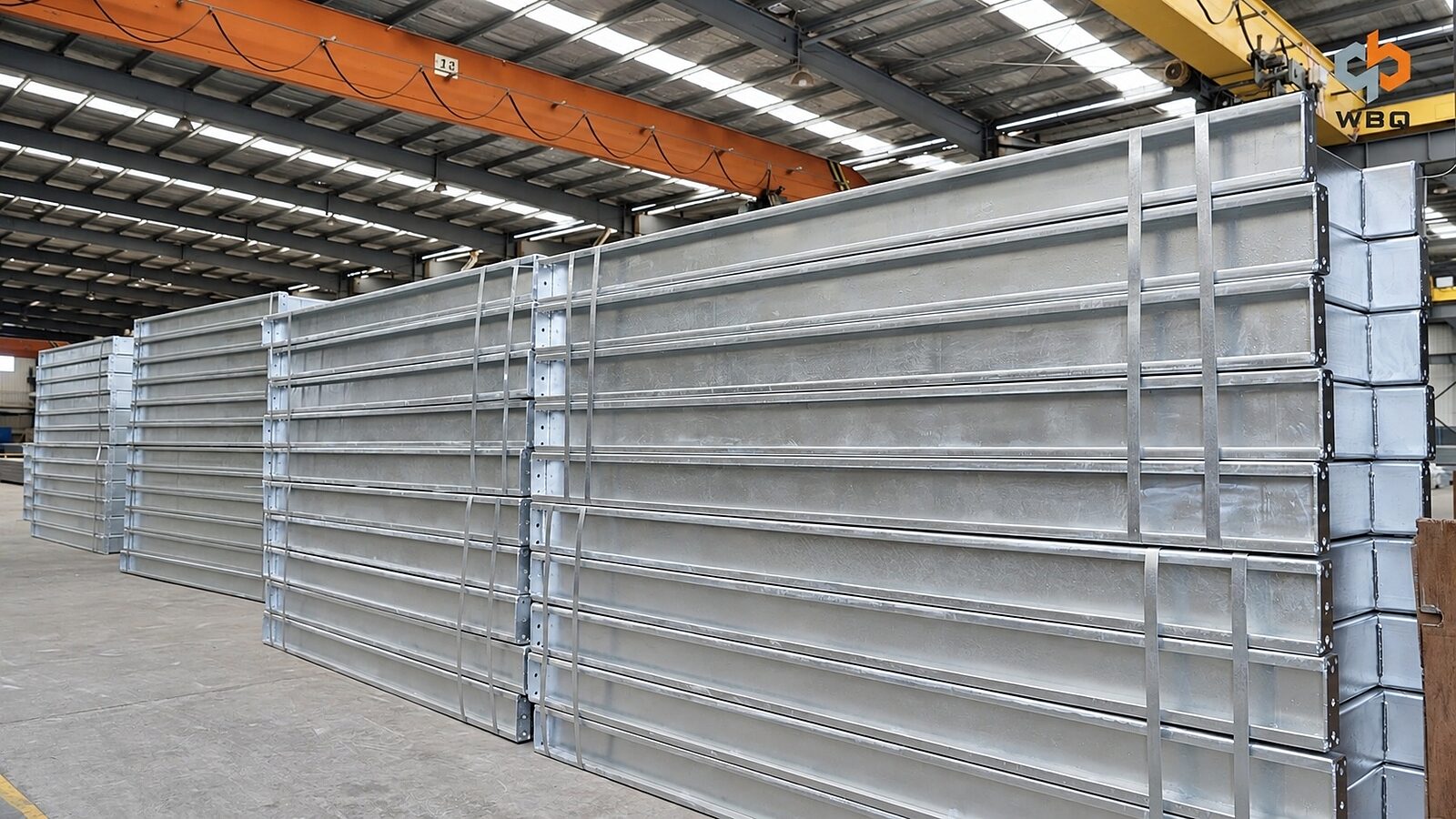
Match Component IDs With Packages and Packing Lists
Solar mounting components can look similar while differing in length, thickness, hole pattern, or connection detail. Clear identification is therefore essential. The exact coding method will depend on the project, customer requirements, and shipping plan, but the cross-check should allow a receiver to trace a physical item or bundle to its package number, packing-list entry, component description, quantity, and intended shipment batch.
| Control point | Information to verify | Delivery purpose |
| Individual component or bundle | Component ID, type/specification, quantity | Distinguish similar parts and support sorting |
| Accessory or fastener package | Contents, quantity, related batch or installation | Keep small parts visible and connected to the required work |
| Package label | Package number, project/order reference, destination or zone if required | Link the physical package to shipping records |
| Packing list | Package number, item description, quantity, shipment batch | Provide a consistent receiving and reconciliation reference |
| Loading record | Contents, quantity, related batch or installation area where used | Support shipment verification and later traceability |